

By:

In the current market, the role of the commercial broker has never been more vital or more challenging. The lending landscape for commercial finance is booming – but knowing which lenders are going to be able to finance a deal that needs to move quickly and be assured of the money coming through when the soil starts turning is where the elite commercial brokers really shine.
Brokers and borrowers are being forced to navigate a high-stakes landscape where time frames are blowing out, and project feasibilities are being pushed to the limit. Accountability is becoming the new benchmark for trust.
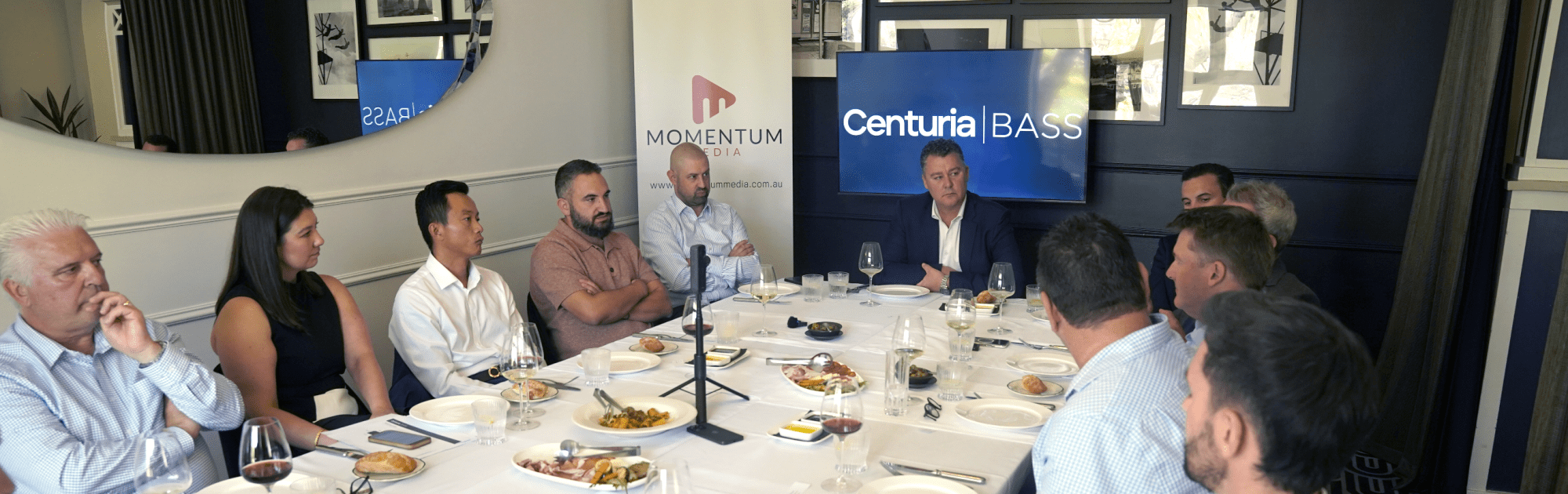
In February 2026, Broker Daily hosted an exclusive roundtable, partnered by private lender Centuria Bass, to explore the challenges and opportunities in development finance.
Led by CEO David Giffin and MD, co-head of lending, David Stone, the discussion brought together eight of the country’s leading elite commercial finance brokers:
David Lovato (Crowd Property Capital): A specialist with 25 years of international experience across property and construction, focused on non-bank funding structures.
Jean-Pierre Gortan (Simplicity Loans & Advisory): A multi-award-winning industry leader who has overseen over $2 billion in settlements across complex commercial and construction deals.
Jay Hu (Sinocon Capital): A strategic lending expert specialising in capital deployment for institutional funders.
Nathan Khoury: A highly regarded specialist in the private lending space with extensive experience in structuring bespoke development solutions.
Bronko Kozel (Development Finance Partners): A 26-year veteran of the sector who leverages a major-bank background to structure tailored funding for large-scale projects.
Tom Bracey (Shore Financial): A detail-oriented specialist in structuring funding for property development, with 14 years in financial services, including senior roles across commercial banking within major institutions.
Christiaan Jarvis (Agora Capital): A development finance broker with 24 years of financial services experience, spanning international banking and treasury systems, to debt and equity structuring.
Phillip Monsour (Navigator Capital Partners): A legal and finance professional with over a decade of experience in institutional property groups at ANZ and NAB.
The roundtable sought to understand the challenges that brokers are seeing in the property development space and how lenders, such as Centuria Bass, can support them in overcoming them.
The roundtable didn’t shy away from the structural challenges stymying the Australian market. The commercial brokers all reported a critical market stalemate where continued escalation in construction costs and planning delays were eroding project feasibility.
Gortan, managing director at Simplicity Loans & Advisory, pointed to the “bureaucratic” nightmare of planning that was holding back developments.
“Projects that used to take 6, 12, or 18 months to go from planning to turning soil have disappeared. Because it’s now 6–8 months to do a CC [Construction Certificate],” Gortan said.
“It’s just so bureaucratic. If the government wants to speed up housing supply, they need to look at that.”
“Projects that used to take 6, 12, or 18 months to go from planning to turning soil have disappeared. Because it’s now 6–8 months to do a CC [Construction Certificate],”
— Jean-Pierre Gortan, Managing Director, Simplicity Loans & Advisory
Rising costs are also resulting in developers seeking higher loan-to-value (LVR) “stretch” facilities from private credit partners that can offer genuine capital certainty.
Bracey from Shore Financial stated that he was seeing strong demand from land subdivisions needing higher LVRs, suggesting that “pretty much every second deal” he worked on was for a 75 per cent LVR, largely due to higher construction costs, particularly in the regions.
Bracey explained: “It’s not that people don’t have enough cash. It might be that they’re refinancing, or they’ve been sitting on a facility and the interest cap has chewed up the LVR and they’ve had to land bank until construction costs come down.”
To fill the gap, some brokers, such as Jarvis, flagged that developers are looking at second mortgages to “buy them six months while they’re getting their approvals”.
Part of the value of a specialist development finance broker is knowing how to identify any potential warning signs. Kozel said that commercial brokers are being able to “pull the transaction apart” and do a “deep dive” into the deliverables and the parties involved.
“The critical thing is talking about costs and the cost overruns. No project goes smoothly. So it’s that the ability to deep dive and being able to present a good quality deal to lenders,” he said.
While the private credit market might seem “awash with credit” from lenders looking to help these borrowers, the brokers flagged that a large proportion is institutional funding – where lenders want ‘bank deals at non-bank rates’ – while another large section is from new private lenders that brokers haven’t used before.
Indeed, the “credit risk” is no longer just on the borrower but sometimes on the lender itself. Monsour, managing director and broker at Navigator Capital Partners, emphasised that development is a long-term commitment requiring a unique level of certainty.
“With development finance, certainty of capital is really key,” Monsour told the roundtable.
“On development finance, obviously, day one, there’s a drawdown, but for the 18 months or so, there are more drawdowns, and you’re taking credit risk on that fund for the next 18 months.
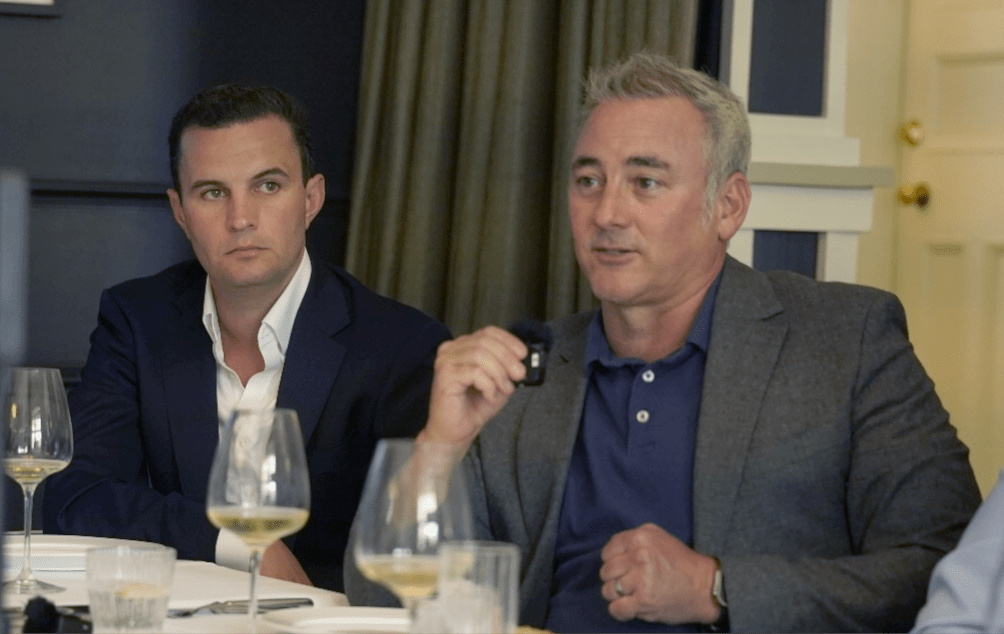
“As a developer, price is important and leverage is important, but I think certainty of capital is growing in importance. Because if you get caught halfway through a project – and for some reason the fund that was supposed to fund the project has delayed projects or they’ve committed too many projects – you can get caught high and dry.”
Monsour added that it was therefore imperative that brokers are choosing reputable lender partners and asking upfront where the capital’s coming from and warned against new market entrants who “try to get mandated and work out the capital later”.
He pointed out that a lender suddenly jumping from $20 million deals to $100 million construction projects is typically a “red flag”.
“With development finance, certainty of capital is really key,”
— Phillip Monsour, managing director and broker at Navigator Capital Partners
The roundtable panellists agreed that while private lenders may have been seen as niche lenders 10 years ago, developers in 2026 all know about private debt.
Khoury explained: “Developers now know about private money. They’re a lot more educated. Either they’ve taken out private money before or their friends have. I think they’re also a lot more aware of the private debt space and have seen people get their fingers burnt. So clients are turning to us, brokers, to help them identify who’s not going to ‘get them’ on the way out. So, the landscape has changed a lot: it’s no longer about where to go, it’s about where not to go.”
“So, the landscape has changed a lot: it’s no longer about where to go, it’s about where not to go.”
— says Nathan Khoury
For many brokers, knowing that a development finance loan can be written is just one piece of the puzzle. The other pieces that need to fall into place include the flexibility and speed of the finance.
Indeed, Hu added that the lack of transparency from some lenders remains a pain point. “I think that certainty upfront would help get a lot of deals done earlier,” he noted and suggested that lenders should treat products more like a “McDonald’s menu” with easy-to-follow pricing and LVR brackets.
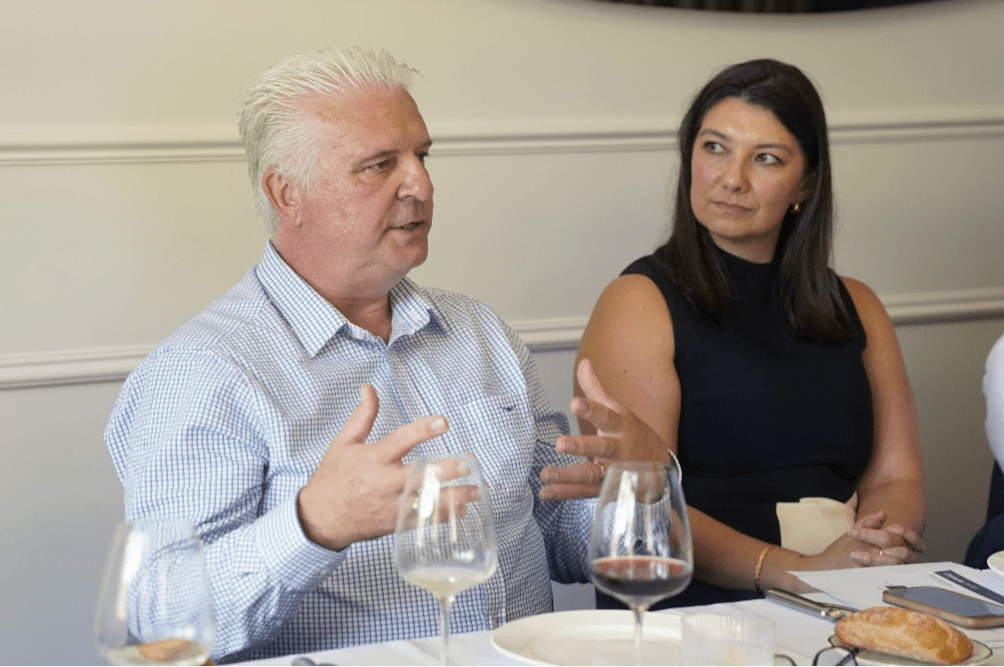
As such, Kozel outlined that partnering with a lender that has open communication and can have “hard conversations” with brokers and their clients without moving the goalposts is paramount.
“I see the frustrations that the clients are having with their bankers. It’s three months to get to a ‘no’, whereas with Centuria Bass, everyone’s done the deep dive. And that’s the difference and then it’s just working through the mechanics of it,” Kozel said.
The brokers highlighted a critical shift toward transparency, speed, and the necessity of “cradle-to-grave” relationship management – a rarity when considering the size and scale of the lender.
Lovato of Crowd Property Capital highlighted this as a massive point of difference.
“The non-banks – such as Centuria Bass – have a much flatter management structure. The people that you deal with as a broker... they’re sound boarding the deal with the senior management and with the credit committee before they issue the term sheet,” Lovato outlined.
“If lenders invest in construction specialists and can do a deep dive at the start of their due diligence… those players are the ones that will have the opportunity to win more deals.”
David Stone explained that, at Centuria Bass, they worked closely with their broker referrers to workshop deals and see where they can be flexible.
He stated: “We’re a big private lender and we can do big deals – our most recent ones were $130 million and $170 million – but we’re still nimble.
As such, Kozel outlined that partnering with a lender that has open communication and can have “hard conversations” with brokers and their clients without moving the goalposts is paramount.
“I see the frustrations that the clients are having with their bankers. It’s three months to get to a ‘no’, whereas with Centuria Bass, everyone’s done the deep dive. And that’s the difference and then it’s just working through the mechanics of it,” Kozel said.
The brokers highlighted a critical shift toward transparency, speed, and the necessity of “cradle-to-grave” relationship management – a rarity when considering the size and scale of the lender.
Lovato of Crowd Property Capital highlighted this as a massive point of difference.
“The non-banks – such as Centuria Bass – have a much flatter management structure. The people that you deal with as a broker... they’re sound boarding the deal with the senior management and with the credit committee before they issue the term sheet,” Lovato outlined.
“If lenders invest in construction specialists and can do a deep dive at the start of their due diligence… those players are the ones that will have the opportunity to win more deals.”
David Stone explained that, at Centuria Bass, they worked closely with their broker referrers to workshop deals and see where they can be flexible.
He stated: “We’re a big private lender and we can do big deals – our most recent ones were $130 million and $170 million – but we’re still nimble. For example, if someone provides an opportunity, I can go and grab my CEO – who sits on the same floor – and ask whether there is an opportunity for us to explore the deal. It’s a real positive and makes us nimble.”
David Giffin reinforced this and noted that Centuria Bass is focused on improving operational capabilities to ensure brokers get answers early. “Speed and efficiency and the experience of both the broker and the customer is critical in building the business for us,” Giffin said and added that the goal is to provide a “cradle-to-grave” approach where the team stays with the loan until repayment.
One of the most significant themes identified in the roundtable was the value of a true capital partner over a mere transaction provider. Stone emphasised that in a consolidating market, the quality of the relationship is what prevents deals from falling through.
“We’re never going to do a loan-to-own style transaction. We’re debt funders. We want to be partners,” Stone stated and emphasised that relationship-driven lending is the only way to navigate the upcoming 18 months of market consolidation.
Giffin concluded the session by reinforcing the commitment to the broker channel. “Brokers play a critical role in the industry and certainly, in our business, that is valued. So we certainly appreciate broker support and look forward to doing much more with brokers in the near future,” Giffin said.
“Speed and efficiency and the experience of both the broker and the customer is critical in building the business for us.”
— says David Giffin, Chief Executive Officer, Centuria Bass
Broker Q&A:

Nathan Khoury:
“We want a true capital partner – I can’t emphasise that enough. When things go wrong, is the lender going to be there to help you and find a solution and the way forward or are they going to come down with a hammer?”

Jean-Pierre Gortan (Simplicity Loans & Advisory):
“I’m always really reticent to add anyone to the mix that I don’t know; if I don’t know and trust someone in there, I’m very reluctant to put my name to their solution, unless they’ve proven they can deliver. You want to know that they [clients] are respected and you want to know that they [lenders] respect the broker relationship as well.”

David Lovato (Crowd Property Capital):
“Having consistency in the carriage of the deal. I think it’s very important from a relationship point of view that you have that continuity for the deal all the way through to settlement, because I’ve had instances where it has been handed over to someone new, and then things go awry, because they don’t understand the deal well enough.”

Philip Monsour (Navigator Capital Partners):
“I spoke about a certainty of execution, but for me, I guess on development finance, certainty of capital is really key.”

Christiaan Jarvis (Agora Capital):
“Having a relationship in managing and adding value to what we do. I want a lender where, top down, everyone’s at the table together. That’s a team sport.”

Tom Bracey (Shore Financial):
“Transparency on terms that are actually going to go ahead. And if they aren’t, having a quick no is sometimes the best thing you can ask for.”

Jay Hu (Sinocon Capital):
“I want a lender that issues a term sheet that is the same as when the final credit is approved. I would appreciate a lender that doesn’t just issue a term sheet the next day or within 24 hours but spends some time on the due diligence so there aren’t any surprises.”

Bronko Kozel (Development Finance Partners):
“It’s doing what you say you are going to do and what we’ve agreed to. It’s about having those good open communications and discussions, not changing goalposts.”