

 iscover
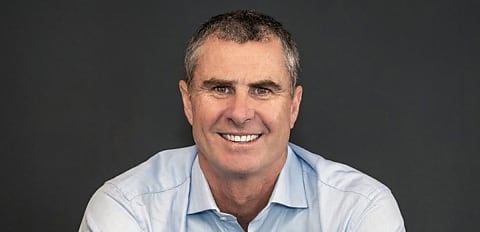

According to new data from the latest SME Compass Pulse survey from Banjo Loans, 68 per cent of SMEs achieved their revenue targets over the past 12 months, unchanged from six months ago, while 72 per cent expect to achieve or exceed their targets for the year ahead.
Long-term business confidence, however, has declined from 71 per cent to 64 per cent over the past 18 months, and while businesses remain keen to invest, Banjo Loans said that investment was increasingly focused on “capability rather than capacity”.
Technology and AI investment now ranks as the most common growth initiative among SMEs (28 per cent), ahead of increased marketing investment (23 per cent) and launching new products (20 per cent).
Meanwhile, Banjo found that fewer businesses were planning to increase headcount or purchase major equipment.
Resilience despite headwinds
Banjo’s findings may seem to go against the prevailing business conditions in 2026.
While business confidence, according to National Australia Bank (NAB), has risen since the onset of the war in the Middle East, it remains in negative territory.
Economic stress from higher interest rates and rising costs has impacted businesses’ margins, while ATO debt enforcement and regulatory changes such as Payday Super have also put pressure on cash flow.

In May, fellow credit bureau CreditorWatch found payment arrears had climbed to their highest level since January 2020.
This has been feeding through to business owners, with business-related personal insolvencies increasing 14.4 per cent in the financial year 2026, reaching 4,046 cases, according to the Australian Financial Security Authority.
Meanwhile, business lending has been booming.
According to the Australian Prudential Regulation Authority’s (APRA) Monthly Authorised Deposit-taking Institution Statistics, business lending hit a six-year high of $1.26 trillion in June, with $20 billion added during the month.
Another report published by the Australian Banking Association (ABA) found 40 per cent of SMEs sought finance from their bank, while credit provided by banks reached a record $750 billion in April 2026, up from $567 billion in April 2023.
Banks such as the Commonwealth Bank of Australia, Australia New Zealand Banking Group (ANZ), NAB, and Judo Bank have also recorded strong growth in their business lending books.
Against this backdrop of resilient SMEs and strong credit demand despite the challenging outlook, Banjo Loans CEO Guy Callaghan said the lender’s research highlighted the nuanced nature of the business lending market.
“It’s easy to focus on declining business confidence, but that’s only part of the story. What we’re seeing is a sector that continues to adapt, evolve and find ways to grow despite ongoing economic pressures,” he said.
“Australian SMEs are still hitting their targets at much the same rate as they were six months ago. The difference is they’re being more deliberate about how they invest, manage costs and pursue opportunities.”
Speaking to Broker Daily, brokers have also commented on the growing interest in business loans, flagging a structural shift in the role and approach of those in the sector as business pressures and credit requirements shift.
Financial discipline
With cash flow remaining an issue, Banjo’s research also found a greater level of financial discipline, particularly around the growing issue of ATO debt.
While the proportion carrying ATO debt increased from 19 per cent to 23 per cent, more than half (51 per cent) of those businesses are now on formal ATO payment plans, up from 40 per cent six months ago.
Meanwhile, 36 per cent of SMEs now see pricing as a key growth lever, while almost half (47 per cent) expect to increase prices over the next 12 months.
“The increase in payment plans tells us that SMEs are engaging with challenges earlier and putting structured arrangements in place rather than avoiding them,” Callaghan said.
“For many businesses, this isn’t a solvency issue. It’s about managing timing, cash flow and obligations in a more formal and considered way.
“But we do see the continued increase in pricing of products and services by SMEs. Meaning this is becoming their key lever in fighting their rising costs of doing business.”
[Related: Banks battle for SME lending as margins hit 5-year low]
 Want to see more stories from trusted news sources?
Make Broker Daily a preferred news source on Google.
