

 iscover

The latest Banjo Barometer found loan applications through the non-bank fell 28 per cent in the March quarter and are now down 22 per cent compared to a year earlier, as small and medium-sized enterprises (SMEs) respond to rising costs, higher interest rates, and growing concerns about a potential economic downturn.
The value of loan applications has also declined, dropping 34 per cent over the quarter and 13 per cent year on year, reinforcing signs that businesses are pulling back on borrowing as conditions become more uncertain.
According to the report, inflation had already been weighing heavily on business confidence before further global disruptions intensified pressure on costs and supply chains.
“Battle-hardened businesses are bracing for a fresh assault… with the concerning possibility of a global recession,” the report said.
It found that 67 per cent of SMEs identified inflation as a key barrier to growth, prompting many to “hit the brakes” on new borrowing.
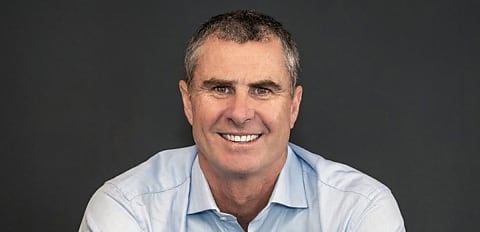
“SMEs are feeling the pinch,” said Guy Callaghan, chief executive officer of Banjo Loans, speaking to Broker Daily’s sister publication, The Adviser.
“We went through five years of turmoil with COVID and then we were coming out and looking okay. Suddenly, we’re into it again with inflation, interest rates, and a war in Iran, which then just does crazy stuff with petrol, fertilizers and all sorts of supply chains.
“It's really hurting. So what you're seeing is really a multi-faceted, multi-speed economy at the moment. There are different, different speeds in geographical breakups and there's different speeds across industries.”

Borrowing slows across key sectors
The slowdown in lending activity was broad-based, with several major industries reporting sharp declines in loan applications during the March quarter.
Sectors including construction, retail, accommodation and food services, and transport and warehousing all recorded significant pullbacks in borrowing activity, reflecting widespread caution among SMEs.
By contrast, a small number of industries bucked the trend, with manufacturing, wholesale trade, and arts and recreation services recording modest increases in loan applications.
Despite the overall downturn, the report noted that activity remains uneven across the economy, with some sectors still seeking funding opportunities.
Businesses shift to defensive footing
Alongside the drop in borrowing, SMEs are also taking steps to strengthen their financial positions.
The report found arrears of more than 30 days fell by 30 per cent in the March quarter, with several industries clearing outstanding repayments entirely.
This suggests many businesses are prioritising debt management and cash flow stability over expansion, as they prepare for a potentially more challenging economic environment.
“These responses from Aussie businesses underscore how sensitive they are to events domestic and international,” the report said.
“Careful planning and cash flow management will be essential as the economic outlook becomes murkier.”
While resilience has been a defining feature of SMEs in recent years, the report warned that this will be tested further as economic conditions tighten.
Nonetheless, industry figures, such as Connective’s head of commercial and asset finance, Brent Starrenburg, have noted the challenging conditions present an opportunity for brokers to develop less transactional and more meaningful relationships with their SME clients.
Mixed signals across regions and business sizes
Despite the overall decline in applications, some regions recorded stronger lending outcomes in terms of loan values.
SMEs in Queensland and Western Australia increased the value of loans drawn by 59 per cent and 65 per cent, respectively, pointing to continued investment activity in certain parts of the country.
Larger businesses also stood out, with companies generating more than $5 million in revenue drawing higher-value loans than smaller enterprises.
At a state level, however, lending activity declined sharply in NSW and Victoria, with both recording significant falls in loan applications and loan values during the quarter.
The report also highlighted volatility in South Australia, where loan applications fell sharply after a surge in the previous quarter.
Outlook remains uncertain
Looking ahead, Banjo said SMEs are likely to remain cautious as economic headwinds persist.
A recent survey has shown that while there are favourable conditions across certain sectors, overall business confidence has fallen to record lows.
The report pointed to ongoing concerns around inflation, interest rates, and global instability as key factors shaping business sentiment, with many operators focused on controlling costs and managing existing obligations rather than pursuing growth.
In order to shore up vulnerable industries, the government has announced a $1 billion package of new interest-free loans aimed at supporting businesses most affected by fuel shortages.
“Resilience has been a key feature of Aussie SME operations in recent years… but that resilience will be tested to a new level,” the report added.
[Related: Regional sectors hit hardest by fuel shock, NAB CEO warns]
 Want to see more stories from trusted news sources?
Make Broker Daily a preferred news source on Google.