

 iscover
Key Highlights
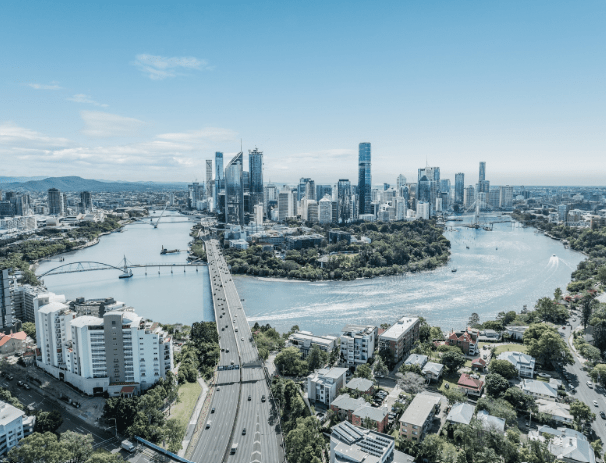
- Brisbane’s middle-ring suburbs are attracting more investors as inner-city prices push buyers further from the CBD.
- Suburbs with lower entry prices and strong tenant demand tend to deliver higher rental yields, while areas attracting owner occupiers often see stronger long term capital growth.
- Infrastructure upgrades, population growth, and the lead-up to the 2032 Olympics are influencing demand across many middle-ring locations.
- Investors comparing suburbs often balance yield and growth by analysing transport access, school catchments, and local development trends.
These suburbs offer more space, established streets, and purchase prices that remain more accessible than the inner city.
You also begin to notice a clear divide when comparing suburbs. Some areas produce stronger rental returns, which attracts investors seeking steady income. Others are drawing owner occupiers and families, which tends to drive long term price growth. Both paths can work, but they rarely happen at the same pace in the same suburb.
Understanding how yield and growth appear across Brisbane’s middle-ring suburbs can make it easier to decide where to buy and what strategy suits your goals. Some locations attract consistent tenant demand and stronger rental returns, while others draw owner occupiers and tend to see more sustained price growth over time. For investors comparing areas across the city, guides aimed at buyers researching Brisbane suburbs for property investment can provide helpful context around price trends, local demand, and the factors shaping each suburb’s long term appeal.
What Counts as the Middle Ring in Brisbane
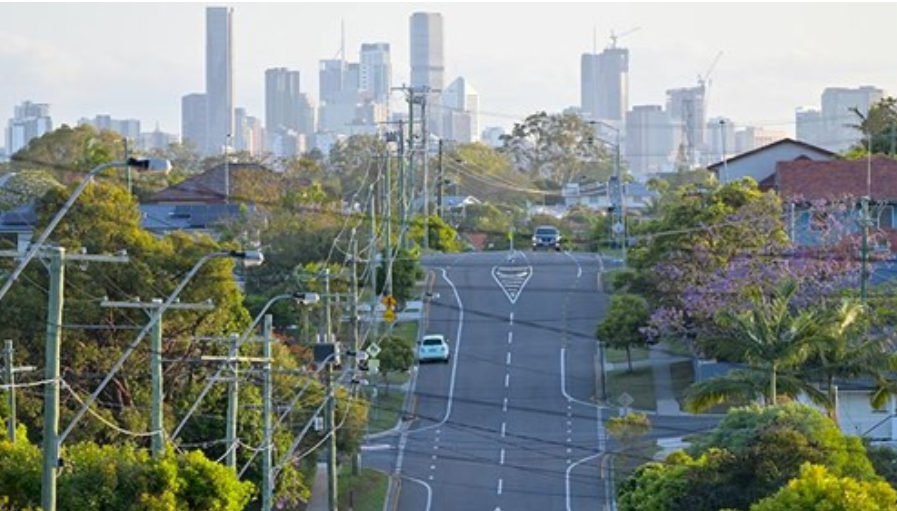
In Brisbane, the middle ring generally refers to suburbs located around eight to fifteen kilometres from the CBD. These areas sit between the high priced inner suburbs and the outer growth corridors where large housing estates are still expanding.

Most middle ring suburbs are well established. Streets are lined with older houses, many built between the 1950s and 1990s, and local centres already include schools, shopping areas, and public transport connections. Because these suburbs developed decades ago, they often have larger blocks and mature neighbourhoods that appeal to families.
Transport access is another reason these suburbs attract attention. Many sit along train lines or major road corridors that connect directly to the city. For residents who work in central Brisbane or nearby employment hubs, the commute remains manageable while housing costs are lower than inner city locations.
This combination of accessibility and affordability has made the middle ring one of the most active areas for property investors over the past few years.
Why Some Suburbs Produce Higher Rental Yield
Rental yield tends to be stronger in suburbs where purchase prices remain relatively affordable while tenant demand stays consistent. In Brisbane’s middle ring, these conditions often appear near employment zones, hospitals, logistics areas, and major retail centres.
Workers who want to live close to their jobs often rent in these locations. Tradespeople, healthcare staff, and service workers make up a large portion of the tenant pool. Many of these renters prioritise convenience and price over lifestyle features such as trendy cafes or renovated housing.
Because property values in these suburbs are lower compared to lifestyle driven areas, the rent collected each week represents a higher percentage of the purchase price. This is why investors focused on cash flow frequently look at these locations first.
The trade off is that price growth can move more gradually. When demand is driven mainly by tenants rather than owner occupiers, property values tend to increase at a steadier pace.
Where Capital Growth Is Gaining Momentum
Other middle ring suburbs are experiencing a different type of demand. Instead of investors leading the market, families and professionals are increasingly purchasing homes to live in. This shift changes how the suburb develops over time.
Older houses begin to undergo renovations. Streets gradually improve as new owners update properties and invest in landscaping. Local cafes, gyms, and dining spots appear as the population changes.
These lifestyle improvements attract even more buyers. As demand grows, prices begin to rise faster than surrounding suburbs that still rely heavily on rental demand.
Areas with strong school catchments often fall into this category. Families looking for larger homes and access to education are willing to compete for property in these locations, which supports steady capital growth.
Infrastructure Shaping Suburb Performance
Transport upgrades and major development projects continue to influence property demand across Brisbane. Rail improvements, new bus connections, and road upgrades make certain suburbs easier to reach from the CBD and surrounding employment hubs.
The lead up to the 2032 Olympic Games has also placed additional attention on infrastructure investment across the city. Projects linked to transport and venue development often bring renewed interest to nearby suburbs.
When transport becomes faster or more reliable, buyers who once focused only on inner suburbs start considering slightly further locations. This shift increases demand in the middle ring and can influence both rental activity and long term price growth.
Successful investors analysing Brisbane middle ring suburbs for property investment pay close attention to these infrastructure plans. Transport accessibility, hospital expansions, and university precincts can all influence how a suburb performs over the next decade.
Population Growth and Interstate Migration
Queensland continues to attract new residents from across Australia. Lifestyle changes, employment opportunities, and housing affordability have encouraged many households to relocate from southern states.
Brisbane has absorbed a large portion of this migration. Families moving from Sydney or Melbourne often arrive with higher purchasing power, which allows them to consider established suburbs close to the city.
The middle ring suits many of these buyers. They can secure larger homes, access established schools, and remain within commuting distance of the CBD. This demand adds another layer of pressure to the property market.
Rental demand also benefits from population growth. New arrivals frequently rent before buying, which supports occupancy levels across many middle ring suburbs.
Choosing Between Yield and Growth
Investors often approach Brisbane property with different priorities. Some want stronger weekly income to help manage loan repayments. Others focus on long term capital gains and are comfortable with lower rental returns if the suburb shows signs of rising demand.
The middle ring provides opportunities for both approaches. A suburb with lower entry prices and strong tenant demand may suit an investor prioritising cash flow. Another suburb attracting owner occupiers and undergoing neighbourhood upgrades may appeal to someone looking for price growth.
What matters most is understanding how the suburb fits within a broader investment plan. Yield and growth represent different strengths, and each suburb will lean toward one more than the other.
What Investors Are Watching in 2026
Property investors analysing Brisbane in 2026 are paying close attention to smaller details that influence long term demand. School catchments remain a major factor for families choosing where to buy. Access to train stations and bus routes also continues to shape buyer decisions.
Walkability is becoming more important as well. Suburbs where residents can easily reach shops, parks, and transport often attract stronger buyer interest over time. These features contribute to neighbourhood appeal and help support property values.
Local planning decisions also play a role. Rezoning changes, townhouse development approvals, and new retail centres can reshape a suburb within a few years. Investors who follow council planning updates often gain a clearer understanding of where growth may appear next.
As Brisbane expands and infrastructure improves, the line between inner and middle suburbs continues to shift. Areas that once felt distant from the city now sit comfortably within the daily commuting zone, which keeps the middle ring firmly on the radar for both investors and home buyers.
 Want to see more stories from trusted news sources?
Make Broker Daily a preferred news source on Google.