

 iscover
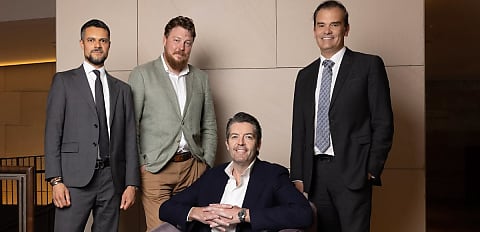

A new pilot has been launched to demonstrate how tokenisation can simplify and streamline access to capital markets, with a consortium of fintech companies, including personal lender Wisr Limited, developing the Smart ABS Pilot, a tokenised asset-backed security transaction.
Tokenisation can reportedly lower costs, speed up settlements, increase transparency with on-chain records, enable fractional trading for increased market participation, and improve liquidity by making assets easier to trade.
Like a traditional asset-backed security (ABS), a tokenised ABS is backed by a pool of real underlying assets. The difference is that rather than being recorded by intermediaries, the ownership rights are digitally represented as tokens on a blockchain, creating a fractional and tradeable digital certificate of ownership.
The pilot is now mirroring an existing investment trust – the Wisr Freedom Trust 2025-1 – which is backed by a pool of personal loans originated and serviced by Wisr, by creating its “digital twin”.
The Smart ABS Pilot will pilot the structuring and issuance of a tokenised ABS in a bid to demonstrate how tokenisation, smart contracts, and programmable cash flows can streamline the full life cycle of an ABS, using a blockchain-enabled investment structure.
The first results are expected in the first quarter of 2026.
“Tokenisation can improve the transparency, liquidity, and efficiency of capital markets. Wisr is excited to be part of this pilot as we work with our project partners to build and deploy a digital twin of our recently closed AUD$250 million Freedom Trust,” said Wisr CEO Andrew Goodwin.
“We’re showcasing how digital infrastructure can directly strengthen institutional finance and open the opportunity of increased benefits to our customers, shareholders and funders.”
Who else is behind Smart ABS Pilot?
The lead structurer of Smart ABS Pilot is NotCentralised, a financial engineer of complex tokenised institutional financial transactions on public blockchains.
NotCentralised CEO and co-founder Arturo Rodriguez said: “NotCentralised is very excited to have been selected as a lead participant in one of the most relevant applications of tokenisation within the institutional space.
“Enhancing the anti-fragility of debt markets by securely compressing the time to deal is at the heart of the design of this transaction and at the core of financial innovation.”
Other consortium members include real-world asset issuers Redbelly Network, which is providing the “high-performance deterministic infrastructureˮ and loan servicing, corporate trust, and agency service provider AMAL (part of IQ-EQ), which is providing fiduciary anchor and trustee services.
Alan Burt, executive chairman of Redbelly Network, explained the importance of the pilot use case and stated: “I believe smart asset-backed securities represent one of the leading use cases for tokenisation due to its inherent structural complexity. The intricate payment waterfalls, inter-system reconciliations, and multi-party dependencies have traditionally limited transparency and liquidity. By embedding these rules directly on-chain, tokenisation can streamline operations and enable more dynamic secondary markets.ˮ
Meanwhile, Luke Andersen, chief product officer of AMAL, said: “We are excited to be part of the Smart ABS Pilot, showcasing our position as Trustee as central to the future of tokenisation and how we can become the trusted bridge between legal enforceability and digital execution.
“Through this collaboration, we are showcasing how digital asset infrastructure can benefit scale, automation and new market opportunities. Importantly, how it can all live comfortably on the blockchain.ˮ
The pilot forms part of Project Acacia, a broader initiative from the Reserve Bank of Australia and the Digital Finance Cooperative Research Centre that is exploring how different forms of digital money and associated infrastructure could support the development of wholesale tokenised asset markets in Australia.
[Related: Slow uptake for mortgages: RBA digital currency pilot]
 Want to see more stories from trusted news sources?
Make Broker Daily a preferred news source on Google.